


Some of the greatest science fiction movies have a lot in common, be it the structure of the story or the ideas that inspired it. There’s nothing inherently wrong with that, as it’s a proven formula that goes beyond sci-fi as a genre and is simply the root of storytelling. But that said, at the end of the day, fan-favorite, Oscar-winning, and popular films like Avatar, The Matrix, Dune, Men in Black, Back to the Future, and even Star Wars follow a pretty rigid framework and structure. All of these movies have their own unique quirks and ideas though, plus performances and visual effects that have made them historic.
However, science fiction is often about pushing boundaries and breaking rules. Plenty of movies can find success by following storytelling formulas and doing what audiences or readers expect, but there’s also something to be said about going against the grain, rubbing an audience the wrong way, and even finding success in doing it. Subverting expectations in film can be a gamble, but it can also create a classic, or even an entire franchise.
7) A Clockwork Orange
Stanley Kubrick’s 1971 adaptation of the Anthony Burgess novel did something that everyone wants a movie to do: it largely followed the book exactly in terms of its adaptation. That led to the film delivering on two major rules that it broke, however, and they’re found in the opening seconds of the film. Not only does A Clockwork Orange have a main character who is completely demented and hard to root for, but he also speaks in nearly indecipherable slang.
The magic of A Clockwork Orange, including not only Kubrick’s script but also Malcolm McDowell’s performance, is that despite these roadblocks, the film is easily accessible and entertaining. Though audiences have no idea what “droogs” are when the movie starts, the dystopian epic is able to go against the grain and teach you everything about this world and this character in minutes. It worked, as A Clockwork Orange earned a Best Picture nomination after its release.
6) Godzilla (2014)
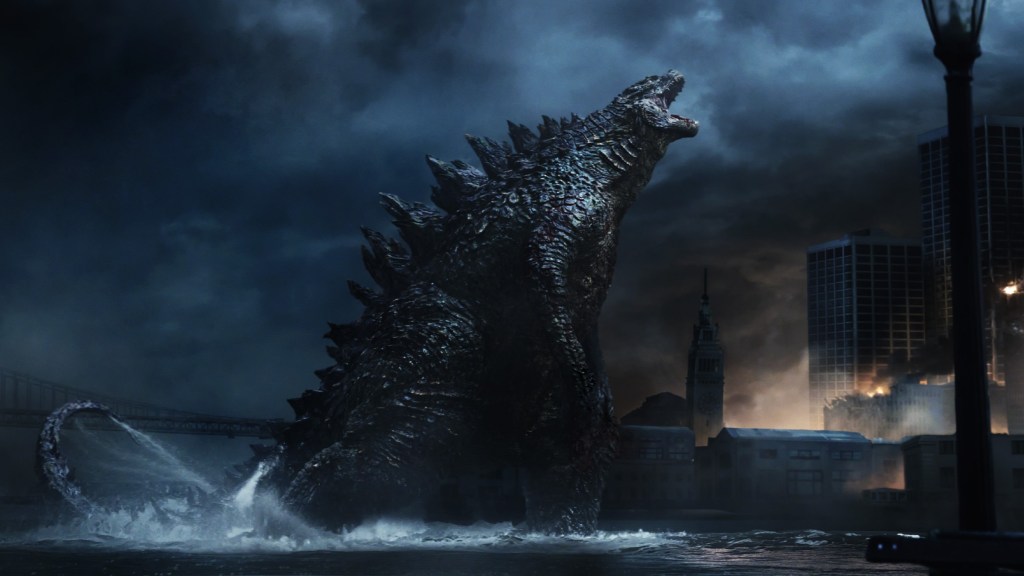
The 2014 American reboot of Godzilla from Legendary had the deck stacked against it, as the 1998 reboot of the property still lingered in the minds of some film fans. When the film arrived, though, it was largely well received, though some audiences took issue with the big surprise of the film: Godzilla isn’t in it all that much. Gareth Edwards crafted a monster movie that largely focused on the human characters while keeping the kaiju battles largely focused on the aftermath, with some of the biggest moments hidden on TV screens rather than front and center. It was a stylistic choice that worked for the grounded, gritty take on the Toho monster, and one that allowed it to build to its giant climactic moment.
Fans who had seen Edwards’ 2010 film Monsters shouldn’t have been surprised by this stylistic choice, as he employed the same technique with the titular beasts in that film. What’s clear is that even though this narrative function ruffled the feathers of many fans, it did what it was supposed to do and got audiences interested in an Americanized version of Godzilla and his deep lore. Though every successive sequel in the series has quickly pushed aside the choices of the 2014 Godzilla, none of them are even remotely as interesting or unique as the Edwards movie and its rule-breaking.
5) Mars Attacks!
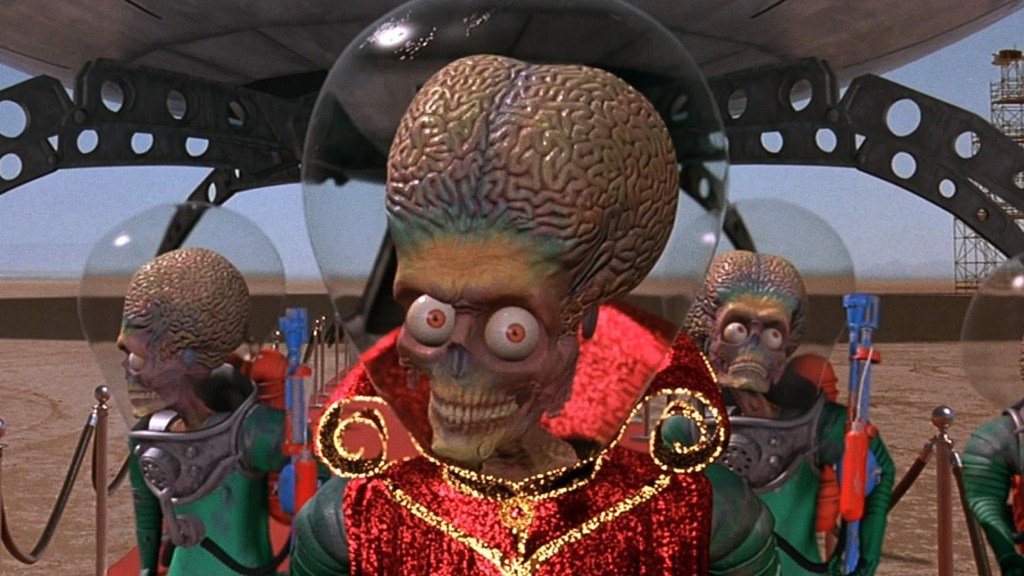
Tim Burton’s dark comedy movie arrived at the exact wrong time, premiering in the shadow of Independence Day, a sci-fi blockbuster that satisfied audiences with a heroic conclusion and hokey inspiration. By contrast, Mars Attacks! arrived as a movie that did not take itself seriously at all, and in fact utilized that against the audience by stacking itself with an all-star ensemble cast…only to kill off almost all of them in horrific ways. Jack Black and Michael J. Fox are incinerated by the martians’ lasers, Glenn Close gets crushed by a chandelier, and Pierce Brosnan and Sarah Jessica Parker have their heads removed (and seemingly drown in the ocean). Jack Nicholson even dies twice in the movie, as he plays two different characters. Lukas Haas, Natalie Portman (Pre-Star Wars, but Post-Leon), and Jim Brown, are the only survivors from the main cast in the film.
4) The Matrix Resurrections
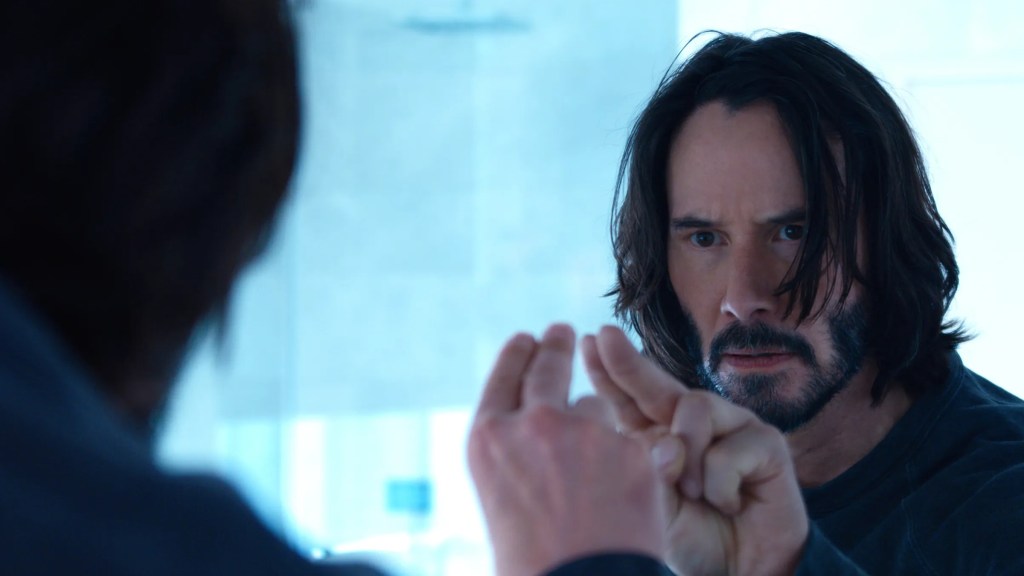
After many years away and extensive outcry about the other sequels, The Matrix Resurrections had a hopeful glimmer to it before its release. Fans had hope for a film that would get back to the original movie and leave the sentimentality and deep lore of the sequels behind, but that was misplaced. What they got instead was a sequel that not only embraced those two ideals quite extensively, but used much of its running time to have a meta conversation with itself about its own existence. The end result of that conversation is the rule that it broke, with the film making it clear that it could never BE the first movie again, calling out its own place in the larger pantheon of modern entertainment and even the fans who expected it to right the ship and not be its own thing.
Not only did The Matrix Resurrections make sure that it was a science fiction blockbuster that was about the earnest power of love and community over the forces of a modern world that try to break them (be it corporate structure, social media, or the shadow of war). In short, The Matrix Resurrections is good, actually.
3) Planet of the Apes

In the 1950s and 60s, science fiction films had reached a place where they largely hinged on the might and success of America in the face of insurmountable odds. This typically took the form of defeating giant monsters or some other vague allusion to communism. So when Planet of the Apes swung in with a distinctly non-human ensemble as most of its characters, it already stood out from the pack. It would have been easy to “other” the Apes in the film as the antagonists, but they’re depicted as nuanced, cultured, and just as opinionated as any group of humans. The depth of these non-human characters, who were all relatable, was already a big rule it shattered.
All that built to the second big rule it broke though the twist ending. Though at first primed for something heroic as Charlton Heston’s Taylor rides off to learn the truth, instead, he’s greeted with a gut punch that man destroyed the Earth all on his own. As we know, the success of breaking both those rules kicked off one of the greatest franchises in film history, one that still continues to this day.
2) Stalker
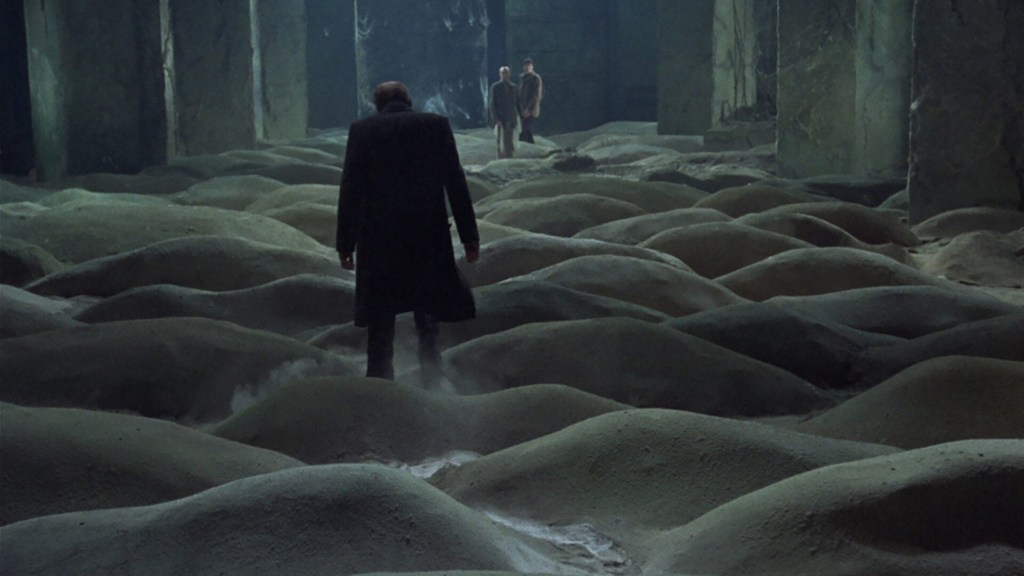
On the surface, Stalker is about a man leading two people to a mysterious place called “The Zone,” a place where reality is warped, perhaps due to extraterrestrials. Within The Zone is a room that is rumored to grant your heart’s greatest desire, naturally making it a target for eager people who are unaware of the bizarre landscape and unsettling anomalies. Andrei Tarkovsky’s Russian epic clocks in at almost three hours long, and is a film that requires extreme patience, and even then, the willingness to submit yourself to the notion of ideas bigger than yourself. If that sounds too pretentious, then the film may very well not be for you, but it may also be exactly what you need. This is the rule that Stalker is breaking, making itself an obtuse science fiction movie that is quiet, centered on introspection, and does not elaborately explain itself to the audience.
1) 2001: A Space Odyssey
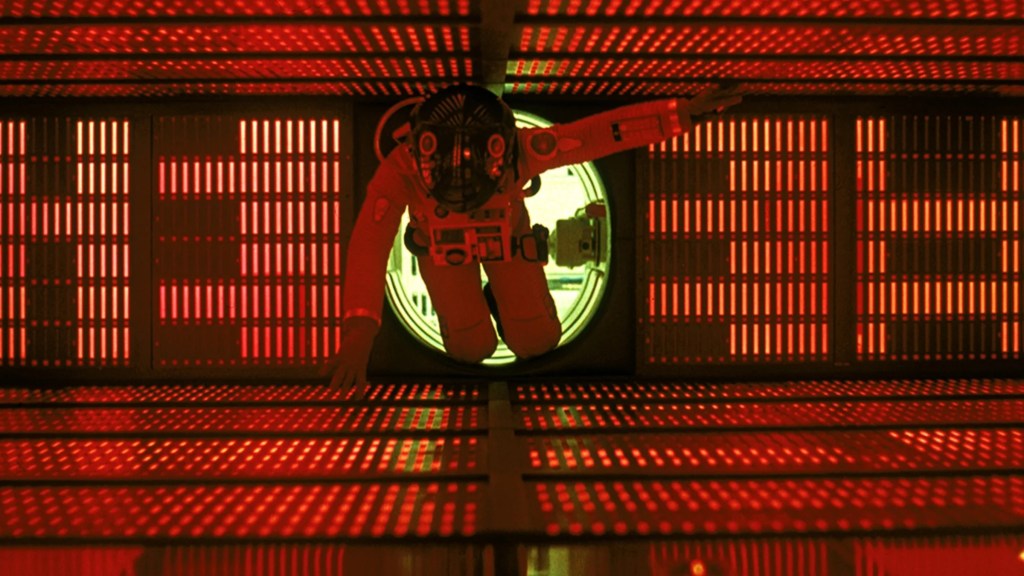
Before he broke the rules all over again with A Clockwork Orange, Stanley Kubrick delivered the ultimate rule-breaking sci-fi movie with 2001. There are two major elements of 2001: A Space Odyssey that made it a maverick in the genre upon its release, but also a thorn in the side of some critics. The first is that it doesn’t have one character it follows throughout the film, instead hopping in and out of the entire history of humanity across distinct periods in time (including pre-history, another rule-breaking sequence without dialogue). Furthermore, 2001: A Space Odyssey never feels the need to really explain itself. Though the larger implications of its plot and developments are quite clear to anyone paying attention, it remains an obtuse movie with a perplexing ending for some. In any event, it slashed through what was expected of science fiction at the time, and even though it was met with some grousing, it remains one of the most influential of all time in the genre.
Source link
